The Best Weekly Gym Schedule for Beginners
Discover the best 3-day gym schedule for beginners, focusing on full-body workouts, proper form, and recovery for sustainable strength gains. Learn key principles and how to progress.
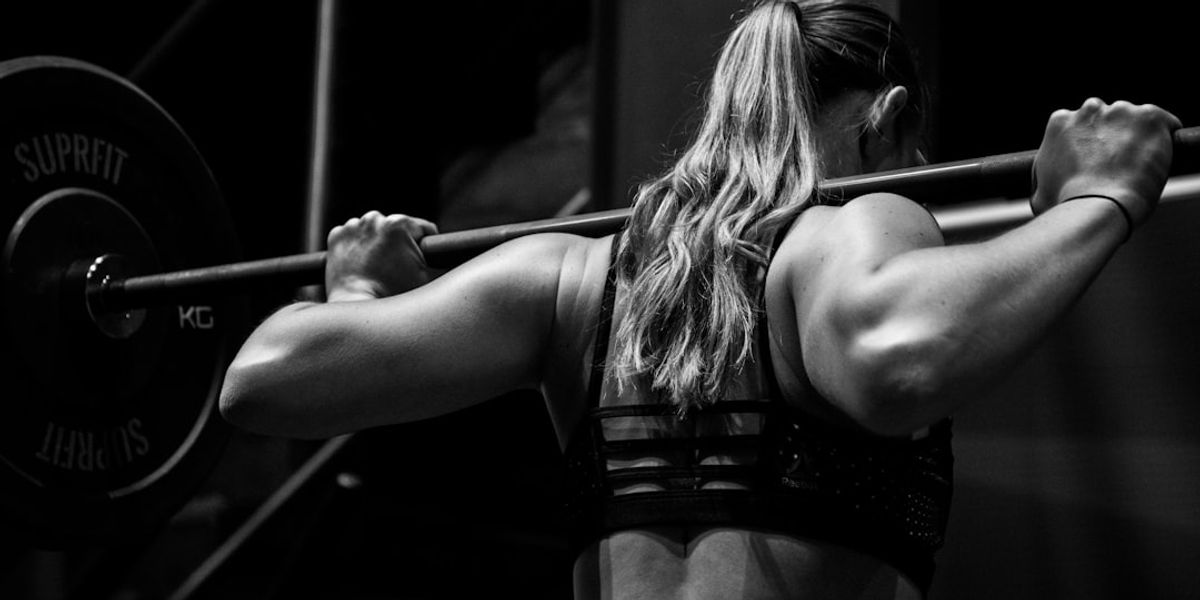
Starting your fitness journey can feel overwhelming, especially when you're unsure about the best way to structure your gym visits. You might wonder if you should go every day, or if there's a magic formula to unlock results. The truth is, for beginners, consistency and proper recovery are far more important than sheer frequency. This guide will walk you through the best weekly gym schedule for beginners, focusing on a balanced approach that builds a solid foundation for long-term success.
The Power of a 3-Day Full-Body Routine
For individuals new to the gym, the most effective strategy often involves a 3-day full-body workout split. This approach is highly recommended because it provides the optimal balance between giving your muscles enough stimulus to grow and allowing them adequate time to recover. By training key muscle groups multiple times a week, you get ample practice with fundamental movements like squats and presses. This repetition is crucial for learning proper form and building the neuromuscular connections needed for strength development, all without overwhelming your body.
Your Sample 3-Day Beginner Schedule
This schedule is designed with rest days strategically placed between your training sessions, ensuring your body has time to repair and rebuild. A common and effective pattern is to train on Monday, Wednesday, and Friday, leaving Tuesdays, Thursdays, and the weekend for rest or active recovery.
Monday: Full-Body Session A
- Warm-up: Begin with 5-10 minutes of light cardio, such as a brisk walk or jog on the treadmill, followed by dynamic stretches like arm circles, leg swings, and torso twists. This prepares your muscles for the work ahead.
- Goblet Squat (or Leg Press): Perform 3 sets of 8–12 repetitions. Focus intently on maintaining good form, ensuring your chest is up and your back is straight throughout the movement. If free weights feel intimidating, the leg press machine is a great alternative.
- Machine Chest Press (or Push-ups): Complete 3 sets of 8–12 repetitions. The machine chest press offers a stable path for the weight, making it easier to control. Alternatively, if you can perform them with good form, push-ups are an excellent bodyweight exercise.
- Lat Pulldown (or Seated Row): Aim for 3 sets of 8–12 repetitions. These exercises target your back muscles. The lat pulldown machine mimics a pull-up, while the seated row works your mid-back.
- Plank: Hold for 3 sets, aiming for 30–60 seconds each. This core-strengthening exercise is vital for overall stability and posture.
- Cool-down: Finish with 5-10 minutes of static stretching, holding each stretch for 20-30 seconds to improve flexibility and aid recovery.
Tuesday: Rest or Active Recovery
This day is dedicated to allowing your muscles to recover. You can opt for complete rest or engage in light activities like a leisurely walk, gentle yoga, or foam rolling. Active recovery can help reduce muscle soreness and improve blood flow without adding stress to your body.
Wednesday: Full-Body Session B
- Warm-up: Similar to Monday, start with 5-10 minutes of light cardio and dynamic stretching.
- Romanian Deadlift (or Leg Curl Machine): Aim for 3 sets of 8–12 repetitions. The Romanian deadlift is excellent for targeting the hamstrings and glutes. If this movement is challenging to learn, the leg curl machine provides a focused hamstring workout.
- Dumbbell Shoulder Press: Perform 3 sets of 8–12 repetitions. This exercise targets your deltoids (shoulder muscles). Start with lighter dumbbells to ensure proper form.
- Cable Rows (or Assisted Pull-up Machine): Complete 3 sets of 8–12 repetitions. Cable rows are fantastic for building upper back strength. If available, the assisted pull-up machine can help you work towards unassisted pull-ups.
- Bicep Curls / Tricep Dips: Do 3 sets of 10–12 repetitions for each. These are isolation exercises to target the arms. You can use dumbbells for bicep curls and a bench or assisted machine for tricep dips.
- Cool-down: Conclude with static stretching, focusing on the muscles worked during the session.
Thursday: Rest or Active Recovery
Another day for rest and recovery. Listen to your body; if you're feeling particularly sore or fatigued, prioritize rest. Light activities are still a good option if you feel up to it.
Friday: Full-Body Session A (Repeat)
Repeat the full-body workout from Monday. This consistency helps reinforce the movements and continues to build strength and endurance.
Saturday and Sunday: Rest Days
These days are crucial for full recovery. Allow your body to rest completely, focus on nutrition, hydration, and sleep. This is when your muscles actually grow and adapt.
Key Principles for Beginner Success
Adhering to a few core principles will significantly enhance your beginner gym experience and set you up for sustained progress.
Start with Machines
For many beginners, starting with gym machines is a wise choice. Machines like the leg press, lat pulldown, and chest press offer a guided path for movement. This means the machine dictates the range of motion and the direction of the weight, which can help you learn the basic movement patterns safely. As you build confidence and strength, you can gradually transition to free weights, which require more stability and coordination. This approach helps you learn the fundamental exercises without the immediate risk of injury.
Focus on Compound Movements
Compound exercises are the cornerstone of an effective beginner program. These are multi-joint exercises that work several muscle groups simultaneously. Examples include squats, deadlifts, bench presses, overhead presses, and rows. By prioritizing these movements, you get more bang for your buck, building overall strength, improving coordination, and burning more calories in less time compared to isolation exercises.
Prioritize Form Over Weight
This is arguably the most critical principle for beginners. Lifting with proper form is paramount to preventing injuries and ensuring you're actually targeting the intended muscles. As highlighted by 10 Fitness, you should master the movement before adding resistance. Start with very light weights, or even just your body weight, and focus on executing each repetition with perfect technique. Once you can comfortably complete your target reps with excellent form, you can gradually increase the weight.
Consistency is Key
Building a fitness habit takes time. It's essential to stick to your chosen schedule for at least 4–6 weeks to start noticing tangible changes in your strength, endurance, and body composition. Don't get discouraged if you don't see dramatic results immediately. The initial weeks are about building a foundation and establishing the habit. Consider how how to create a gym routine for beginners can help you stay on track.
Progression: Moving Forward
Once you've consistently followed the 3-day full-body routine for about a month and feel comfortable with the exercises and the schedule, it's time to think about progression. Progression is what drives continued adaptation and results. Without it, your body will eventually stop responding.
Increasing Intensity
There are several ways to make your workouts more challenging:
- Increase Sets: Add an extra set to each exercise, moving from 3 sets to 4 sets.
- Decrease Rest Time: Slightly shorten the rest periods between sets, perhaps from 90 seconds to 60 seconds.
- Lift Heavier Weights: Once your form is solid, gradually increase the weight you are lifting for each exercise.
Exploring New Splits
If you find yourself wanting to increase your workout frequency or focus more on specific muscle groups, you might consider moving to a different training split. A popular next step is an upper/lower split, where you might train upper body one day, lower body the next, followed by a rest day, and then repeat. This could look like an Upper-Lower-Rest-Upper-Lower-Rest-Rest schedule, effectively training four days a week. For those looking to maximize muscle growth, exploring the best 4-day gym split for muscle growth could be a logical next step.
Tracking Your Progress
To ensure you're progressing effectively and not just going through the motions, it's vital to track your workouts. Knowing what you did last week—the exercises, sets, reps, and weight—allows you to make informed decisions about how to increase the challenge next time. This is where understanding what is the best workout progress tracker for beginners in 2026 becomes invaluable. Consistent tracking helps you implement progressive overload systematically, ensuring you're always challenging your body in a structured way, which is key to how to progress in the gym without guesswork.
Frequently Asked Questions
How many days a week should a beginner go to the gym?
For most beginners, 3 days a week with at least one rest day between sessions is ideal. This allows for sufficient muscle recovery and reduces the risk of burnout or injury while still providing enough stimulus for adaptation.
What are the most important exercises for beginners?
Prioritize compound movements that work multiple muscle groups. Key exercises include squats, deadlifts (or Romanian deadlifts), push-ups (or chest press), rows, and overhead presses. These build a strong foundation for overall strength.
How long should a beginner rest between sets?
Beginners should typically rest between 60 to 90 seconds between sets. This allows for adequate recovery to maintain performance on subsequent sets without letting the heart rate drop too much, which can hinder cardiovascular benefits.
Is it okay to do the same workout every day as a beginner?
No, it's generally not recommended for beginners to do the exact same workout every single day. Your muscles need time to recover and rebuild after a workout. A full-body routine done 3 times a week with rest days in between is a much more effective and sustainable approach.
Should beginners focus on weight machines or free weights?
It's often best for beginners to start with weight machines. Machines provide stability and guide the movement, making it easier to learn proper form and build initial strength safely. As confidence and strength increase, gradually incorporate free weights.
How long does it take for a beginner to see results?
Visible results can vary greatly depending on individual factors like genetics, diet, and consistency. However, most beginners can expect to start feeling stronger and noticing some changes in their body composition within 4–6 weeks of consistent training and proper nutrition.
Conclusion
Embarking on a fitness journey as a beginner is an exciting step towards a healthier lifestyle. The key to success lies not in overcomplicating your routine, but in building a sustainable habit based on fundamental principles. A 3-day full-body workout schedule offers the perfect blend of challenge and recovery, allowing you to learn essential movements, build foundational strength, and avoid common beginner pitfalls. Remember to prioritize form, stay consistent, and listen to your body. With dedication and the right approach, you'll be well on your way to achieving your fitness goals.
For those looking to streamline their fitness journey and ensure they are training effectively, a dedicated tool can make all the difference. We understand that navigating the gym can be challenging, which is why we developed Gymdo to be your ultimate gym companion. Our science-backed approach simplifies and personalizes your fitness journey, offering intelligent guidance tailored to your specific goals. Train smarter without the guesswork, thanks to data-driven insights and an intuitive experience designed to support you at every level of your fitness development. Get started with our free iOS app today and transform how you approach your workouts.

Written by
M.P
M.P. is an editor at Gymdo, where he writes about strength training, workout programming, and building sustainable fitness habits.
More to read
How to Feel Confident in the Gym as a Beginner
Feeling confident in the gym as a beginner is achievable with preparation, smart strategies, and a positive mindset. Learn how to plan workouts, use machines, focus on form, and overcome anxiety.
The Biggest Fitness Misconceptions Explained
Uncover the truth behind common fitness myths! Learn why women don't get bulky from lifting, spot reduction is impossible, and 'no pain, no gain' is a dangerous myth. Discover the facts about sweat, training volume, and post-workout nutrition.
Can Beginners Lift Heavy Weights? (Facts Explained)
Discover if beginners can lift heavy weights safely and effectively. Learn about benefits, risks, proper form, and routine structuring for rapid strength gains.