How to Create a Gym Routine for Beginners
Build your first gym routine with this comprehensive beginner's guide. Learn exercise selection, workout splits, progressive overload, and common mistakes to avoid.
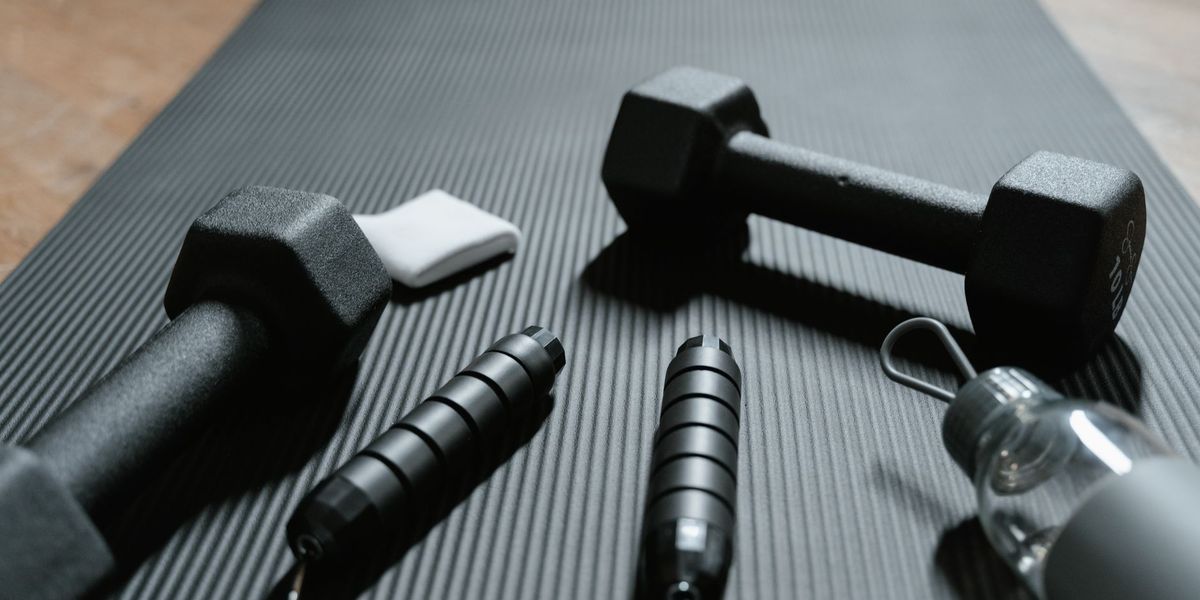
Starting a fitness journey can feel overwhelming, especially when you're not sure where to begin with your workouts. You've decided to hit the gym, which is a fantastic first step, but now what? This guide is designed to help you build a foundational gym routine that sets you up for success, whether your goal is to build strength, improve endurance, or simply adopt a healthier lifestyle.
Embarking on a new fitness regimen often brings a flurry of questions: What exercises should I do? How many sets and reps? How often should I go? It's easy to get lost in the sea of information. This article will break down the process of creating a balanced and effective gym routine specifically for beginners, ensuring you build a solid foundation and avoid common pitfalls. We'll cover everything from understanding basic principles to structuring your weekly workouts and the importance of tracking your progress.
Understanding the Fundamentals of a Beginner Routine
Before diving into specific exercises, it's crucial to grasp a few core concepts that will shape your routine. A well-rounded beginner program focuses on compound movements, progressive overload, and adequate rest.
Compound vs. Isolation Exercises
Compound exercises work multiple muscle groups simultaneously, making them highly efficient for building overall strength and muscle mass. They mimic natural movement patterns and are excellent for beginners as they provide a great bang for your buck in terms of time and effort. Examples include squats, deadlifts, bench presses, overhead presses, and rows. Isolation exercises, on the other hand, target a single muscle group, like bicep curls or triceps extensions. While they have their place, beginners should prioritize compound movements to build a strong base.
Progressive Overload: The Key to Getting Stronger
To continue making progress, you need to gradually increase the demands placed on your muscles. This principle is known as progressive overload. It doesn't just mean lifting heavier weights; it can also involve doing more repetitions, more sets, reducing rest times, or improving your form. Without progressive overload, your body will adapt to the current stimulus, and your gains will plateau. For beginners, this might mean adding just a few pounds to the bar each week or aiming for one extra rep per set.
The Importance of Rest and Recovery
Muscle growth and repair happen during rest, not during your workout. Overtraining can lead to injury, burnout, and decreased performance. Beginners should aim for 2-3 full-body workouts per week, with at least one rest day in between each session. Listening to your body is paramount; if you feel excessively sore or fatigued, take an extra rest day. Adequate sleep is also a critical component of recovery.
Designing Your First Gym Routine: A Step-by-Step Approach
Creating a structured plan is essential for consistency and effectiveness. Here’s how to put together a routine that works for you.
Step 1: Define Your Goals
What do you want to achieve? Are you aiming for:
- Muscle Gain (Hypertrophy): Focus on moderate weight, moderate reps (8-12), and multiple sets.
- Strength Gain: Focus on heavier weight, lower reps (4-6), and more sets.
- Endurance: Focus on lighter weight, higher reps (15-20+), and shorter rest periods.
- General Fitness/Weight Loss: A combination of strength training and cardiovascular exercise is usually best.
For beginners, focusing on building a solid foundation of strength and muscle is often the most beneficial starting point. This will make future training for specific goals much more effective.
Step 2: Choose Your Workout Split
For beginners, a full-body routine or an upper/lower body split is generally recommended. These allow you to hit each muscle group multiple times per week, which is ideal for stimulating growth and learning new movements.
- Full-Body Routine: You work all major muscle groups in each session. This is excellent for frequency and learning the fundamental movements. A common structure is 3 non-consecutive days per week (e.g., Monday, Wednesday, Friday).
- Upper/Lower Split: You divide your workouts into upper body days and lower body days. This allows for slightly more volume per muscle group per session. A typical schedule might be Upper, Lower, Rest, Upper, Lower, Rest, Rest.
Step 3: Select Your Exercises
Focus on compound movements that engage multiple muscle groups. Here’s a sample selection for a full-body routine:
Lower Body:
- Squats (Barbell Back Squat, Goblet Squat)
- Deadlifts (Conventional, Romanian Deadlift)
- Lunges (Forward, Reverse)
- Glute Bridges
Upper Body (Push):
- Bench Press (Barbell, Dumbbell)
- Overhead Press (Barbell, Dumbbell)
- Push-ups
- Dips (Assisted if needed)
Upper Body (Pull):
- Pull-ups (Assisted if needed, Lat Pulldowns)
- Rows (Barbell Row, Dumbbell Row, Seated Cable Row)
Core:
- Plank
- Leg Raises
- Russian Twists
Step 4: Determine Sets, Reps, and Rest
For a beginner routine focused on building strength and muscle:
- Sets: Aim for 3 sets per exercise.
- Reps: Aim for 8-12 repetitions per set. The last few reps should feel challenging but doable with good form.
- Rest: Rest for 60-90 seconds between sets. This allows for sufficient recovery to maintain intensity.
Step 5: Structure Your Weekly Schedule
Let's put it all together. Here’s a sample full-body routine for 3 days a week:
Workout A (e.g., Monday):
- Barbell Squats: 3 sets of 8-12 reps
- Barbell Bench Press: 3 sets of 8-12 reps
- Barbell Rows: 3 sets of 8-12 reps
- Overhead Press: 3 sets of 8-12 reps
- Plank: 3 sets, hold for 30-60 seconds
Workout B (e.g., Wednesday):
- Deadlifts: 3 sets of 5-8 reps (focus on form, slightly lower reps for this compound lift)
- Pull-ups (or Lat Pulldowns): 3 sets of as many reps as possible (AMRAP) or 8-12 reps
- Dumbbell Lunges: 3 sets of 10-12 reps per leg
- Dumbbell Incline Press: 3 sets of 8-12 reps
- Leg Raises: 3 sets of 15-20 reps
Workout C (e.g., Friday):
- Goblet Squats: 3 sets of 10-15 reps
- Push-ups: 3 sets of AMRAP
- Seated Cable Rows: 3 sets of 10-15 reps
- Dumbbell Shoulder Press: 3 sets of 10-15 reps
- Russian Twists: 3 sets of 15-20 reps per side
Remember to warm up for 5-10 minutes before each workout with light cardio and dynamic stretching, and cool down with static stretching afterward.
Incorporating Cardio and Flexibility
While strength training is crucial, a comprehensive fitness plan also includes cardiovascular exercise and flexibility work.
Cardiovascular Exercise
Cardio improves heart health, burns calories, and enhances endurance. Aim for 2-3 sessions of moderate-intensity cardio per week, such as brisk walking, jogging, cycling, or using an elliptical machine. You can perform cardio on your rest days or after your strength training sessions. For beginners, starting with 20-30 minutes per session is a good goal.
Flexibility and Mobility
Improving flexibility and mobility can enhance your range of motion, reduce the risk of injury, and aid in recovery. Incorporate static stretching after your workouts, holding each stretch for 20-30 seconds. Dynamic stretching (like arm circles, leg swings) is best for warm-ups. Consider adding yoga or dedicated mobility sessions to your routine once you feel comfortable.
Tracking Your Progress
Monitoring your progress is vital for staying motivated and ensuring you're adhering to progressive overload. Keeping a log of your workouts—including exercises, sets, reps, weight, and how you felt—provides valuable data. This allows you to see how far you've come and identify areas where you might need to adjust your routine. For those looking to meticulously document their fitness journey, exploring advanced workout tracking tools can offer a structured way to record and analyze your performance over time.
Common Beginner Mistakes to Avoid
Even with the best intentions, beginners can fall into common traps. Being aware of these can help you steer clear of them.
1. Too Much, Too Soon
Trying to do too many exercises, too many sets, or lifting too heavy right from the start can lead to injury and burnout. Stick to a manageable routine and focus on mastering the basics.
2. Neglecting Form
Proper form is paramount. Lifting with poor technique not only reduces the effectiveness of the exercise but also significantly increases your risk of injury. Watch videos, consider hiring a trainer for a few sessions, or ask experienced gym-goers for advice.
3. Inconsistent Attendance
Showing up is half the battle. Aim for consistency rather than perfection. If you miss a workout, don't dwell on it; just get back on track for your next scheduled session.
4. Not Enough Rest
As mentioned, rest is when your body adapts and grows. Skipping rest days or not getting enough sleep will hinder your progress.
5. Ignoring Nutrition
Your diet plays a massive role in your fitness results. Ensure you're consuming enough protein to support muscle repair and growth, and maintain a balanced diet overall.
Frequently Asked Questions
How many days a week should a beginner go to the gym?
For most beginners, 2-3 days per week is ideal. This allows for sufficient recovery between workouts, which is crucial for muscle repair and growth. Focusing on quality over quantity ensures you can maintain good form and avoid overtraining.
What if I can't do a certain exercise, like pull-ups?
Don't worry! There are always modifications. For pull-ups, you can use an assisted pull-up machine, resistance bands, or opt for lat pulldowns. The key is to find an equivalent exercise that challenges the target muscles safely.
How long should I stick with the same routine?
Beginners can typically follow the same routine for 4-8 weeks. After this period, your body will have adapted, and you'll need to introduce changes to continue making progress. This could involve increasing weight, reps, or swapping exercises.
Should I do cardio before or after weights?
For general fitness and muscle gain, it's often recommended to do cardio after your weightlifting session or on separate days. This ensures you have maximum energy for your strength training. If your primary goal is endurance, doing cardio first might be appropriate.
How do I know if I'm lifting enough weight?
You should feel challenged during the last few repetitions of each set, but still be able to maintain good form. If you can easily complete all reps with perfect technique, the weight is likely too light. If you struggle to complete the last rep or your form breaks down, it might be too heavy.
Conclusion
Creating a gym routine as a beginner doesn't have to be complicated. By focusing on fundamental compound movements, understanding progressive overload, prioritizing rest, and staying consistent, you can build a strong foundation for lifelong fitness. Remember to listen to your body, track your progress, and don't be afraid to seek guidance when needed. The most important step is to start, and with a well-structured plan, you're well on your way to achieving your fitness goals.
Ready to Train Smarter?
We understand that starting a new fitness journey can be daunting, and having the right tools can make all the difference. Gymdo is a science-backed gym workout tracker designed to simplify and personalize your fitness journey. Our app provides intelligent guidance tailored to your goals, helping you train smarter without the guesswork. Available for free on iOS, Gymdo combines data-driven insights with an intuitive experience to support users at every level of their fitness development. If you're looking for a way to effectively manage your workouts and track your advancements, consider exploring how to choose the right workout app to find the best fit for your needs.

Written by
M.P
M.P. is an editor at Gymdo, where he writes about strength training, workout programming, and building sustainable fitness habits.
More to read
How to Feel Confident in the Gym as a Beginner
Feeling confident in the gym as a beginner is achievable with preparation, smart strategies, and a positive mindset. Learn how to plan workouts, use machines, focus on form, and overcome anxiety.
The Best Weekly Gym Schedule for Beginners
Discover the best 3-day gym schedule for beginners, focusing on full-body workouts, proper form, and recovery for sustainable strength gains. Learn key principles and how to progress.
The Biggest Fitness Misconceptions Explained
Uncover the truth behind common fitness myths! Learn why women don't get bulky from lifting, spot reduction is impossible, and 'no pain, no gain' is a dangerous myth. Discover the facts about sweat, training volume, and post-workout nutrition.