What Is the Best Workout Progress Tracker for Beginners in 2026
Discover the best workout progress trackers for beginners in 2026. Compare full body apps, PPL splits & weight lifting tools to find your perfect fitness companion.
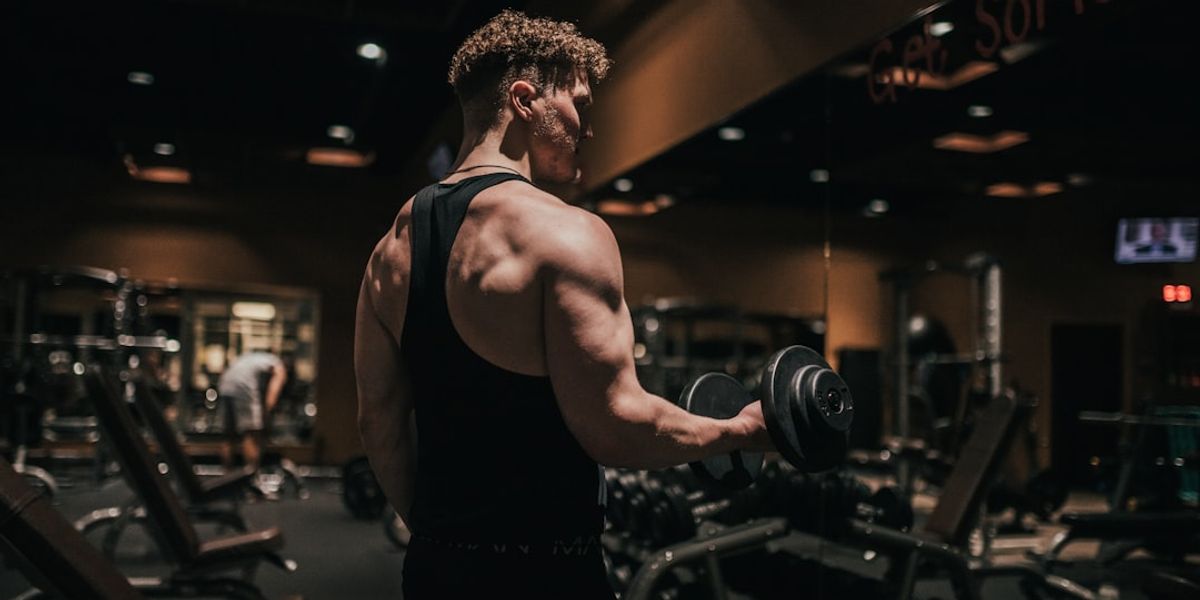
You walk into the gym for the first time, surrounded by machines that look like torture devices and people who seem to know exactly what they're doing. You pull out your phone, hoping to find some guidance, but the app store overwhelms you with hundreds of options—each claiming to be the ultimate solution for tracking your progress. How do you choose the right one when you're just starting out?
Finding the best workout progress tracker as a beginner in 2026 isn't about downloading the most popular app or the one with the flashiest marketing. It's about discovering a tool that grows with you, simplifies the complex, and actually makes you want to show up again tomorrow. This guide will walk you through everything you need to know to make that choice confidently.
Why Beginners Need a Different Kind of Fitness App
Starting a fitness journey comes with unique challenges that experienced lifters have long forgotten. The intimidation factor is real. The knowledge gap feels impossible to bridge. And the fear of doing something wrong—of wasting time or, worse, getting injured—can paralyze you before you even touch a weight.
A beginner-friendly workout tracker isn't just a digital notebook for recording sets and reps. It functions as a coach, a teacher, and a motivational partner all in one. The right app should remove friction from your workouts, not add to it. When you're learning proper form, figuring out appropriate weights, and trying to establish consistency, the last thing you need is software that demands more attention than your actual training.
The psychological benefit matters enormously too. Seeing your first pull-up, your first bodyweight bench press, or simply completing your first month of consistent workouts documented in an app creates positive reinforcement loops that keep you coming back. Beginners need these wins visibly tracked and celebrated because the physical changes take time to appear.
What Makes a Great Workout Progress Tracker in 2026
The fitness app market has matured significantly. The best tools now combine several essential elements that weren't standard even a few years ago.
Intuitive Design That Disappears During Workouts
When you're mid-set with shaking arms and sweat in your eyes, you shouldn't need a computer science degree to log your work. The interface should be glanceable, with large touch targets, clear typography, and logical flows that require minimal cognitive load. Gesture-based logging, voice input, and smartwatch integration have become baseline expectations rather than premium features.
The best apps anticipate what you want to do next based on your program and past behavior. They surface the right information at the right time—showing your previous weights and reps when you're approaching a bench, not buried three menus deep.
Intelligent Program Guidance
Random workouts produce random results. Beginners especially need structured progression built on established training principles. Modern apps function as sophisticated workout generators, creating periodized programs that balance intensity, volume, and recovery automatically.
Look for systems that don't just prescribe exercises but explain why. Understanding the purpose behind each movement builds training knowledge that serves you for decades. The app should adapt when life interferes—shortening workouts when you're pressed for time, deloading when your recovery markers suggest it, and progressing you faster when you're handling loads easily.
Comprehensive Progress Visualization
Numbers tell stories, but only when presented well. The best trackers offer multiple ways to view your advancement: strength curves showing your bench press climbing over months, consistency calendars highlighting your workout streaks, body composition trends, and even estimated one-rep maxes that update automatically as you train.
These visualizations serve dual purposes. They motivate during plateaus when the scale isn't moving, and they provide objective feedback when subjective feelings might mislead you. That brutal workout where everything felt heavy? Your data might show you actually moved more total volume than last week—valuable perspective for beginners prone to discouragement.
Community and Accountability Features
Solo training works until it doesn't. Everyone hits motivation valleys, and having connection points within your app can bridge these gaps. Modern gym motivation app features include training groups with similar goals, optional social sharing of achievements, and even friendly competitions that add gamification without trivializing the serious work you're doing.
The key is opt-in social features rather than forced exposure. You should control what others see and when you engage, using community energy when it serves you and training privately when you prefer.
The Top Workout Tracker Categories for Beginners
Not all beginners have identical needs. Your optimal app depends heavily on your specific situation, goals, and training environment.
The All-in-One Full Body Workout App
Full body training represents the most efficient approach for true beginners. Hitting each major muscle group multiple times per week produces faster strength and muscle gains than the classic "bro split" of one body part per day. The best full body workout app options structure three to four sessions weekly around compound movements—squats, deadlifts, presses, rows, and pull-ups—supplemented with strategic isolation work.
These apps excel for beginners with unpredictable schedules. Miss a Monday? No problem, the program adjusts. Only have three days available this week? The full body structure accommodates perfectly. They also maximize learning efficiency—you practice each movement pattern frequently enough to develop proficiency quickly.
When evaluating full body options, examine their exercise libraries critically. Do they include detailed video demonstrations? Multiple difficulty progressions for each movement? Clear explanations of common errors? The educational component separates mediocre apps from exceptional ones.
The Specialized Push Pull Legs App
As you develop basic competency, the push pull legs (PPL) split offers logical progression. Push days train chest, shoulders, and triceps. Pull days hit back and biceps. Leg days cover quads, hamstrings, glutes, and calves. This structure provides more volume per muscle group than full body routines while maintaining the benefit of training each area twice weekly.
A quality push pull legs app should offer flexibility in scheduling—both the classic 6-day version and condensed 3-day rotations for busier periods. The best implementations include intelligent exercise selection that balances pressing and pulling volumes to prevent the shoulder problems common in enthusiastic beginners who bench press obsessively.
The progression sophistication matters significantly here. PPL programs have more moving parts than full body routines, and the app should manage these complexities automatically, suggesting appropriate weight increases, rep targets, and exercise substitutions when equipment is unavailable.
The Dedicated Weight Lifting App
Some beginners know immediately that barbell training is their path. They gravitate toward strength-focused programs like Starting Strength, StrongLifts, or their more modern descendants. A specialized weight lifting app serves this population with features that general fitness apps neglect.
These include precise plate math (telling you exactly which plates to load for your working weight), rest timer integration that adjusts based on exercise intensity, and detailed form cues specific to powerlifting movements. The best also incorporate rate of perceived exertion (RPE) tracking, helping beginners develop the crucial skill of autoregulation—adjusting training intensity based on daily readiness rather than blindly following prescribed percentages.
Look for apps that treat warm-up sets seriously, not as afterthoughts. Proper warm-up structure prevents injury and prepares your nervous system for heavy work, yet many apps simply list your work sets without guidance on how to approach them.
Critical Features Beginners Should Prioritize
Beyond category considerations, certain capabilities matter universally for new trainees.
Exercise Demonstration Quality
Poor form learned early becomes dangerous habit ingrained deeply. The best apps invest heavily in their exercise libraries, with multiple camera angles, common error highlighting, and progressive difficulty demonstrations. A goblet squat tutorial should show the movement clearly, then demonstrate typical beginner mistakes like knee valgus or excessive forward lean, then offer corrective cues.
Video quality matters, but so does production approach. Highly polished, professional demonstrations can feel unapproachable. The most effective teaching often comes from relatable instructors who acknowledge the difficulty and normalize the struggle.
Recovery and Lifestyle Integration
Training is only half the equation. The best apps in 2026 integrate recovery tracking—sleep quality and duration, stress indicators, subjective energy levels, and even heart rate variability where available. They use this data to modulate training recommendations, preventing the classic beginner mistake of going too hard too often.
Nutrition integration varies in sophistication. Some apps offer full macro tracking, others simply remind you about protein targets and meal timing around workouts. Neither approach is universally superior, but the integration should exist rather than treating training and nutrition as completely separate domains.
Data Portability and Longevity
Your training data represents years of accumulated effort and insight. The app you choose should allow easy export in standard formats, ensuring you're not trapped if the company changes direction or shuts down. Cloud backup is essential—losing six months of training history to a phone replacement is devastating to the tracking habit.
Consider the company's business model carefully. Subscription apps need continuous subscriber growth to satisfy investors, which can lead to feature bloat or price increases. One-time purchases or sustainable subscription pricing suggest longer-term viability.
Common Beginner Mistakes When Choosing a Tracker
The app selection process itself trips up many newcomers.
Overvaluing Aesthetics Over Substance
Beautiful design attracts downloads, but it doesn't build strength. Evaluate whether the visual polish serves function or merely masks thin content. Can you quickly log a set during your rest period? Does the app remember your last weights automatically? These practical concerns matter more than gradient backgrounds and animated transitions.
Ignoring the Learning Curve
Some powerful apps assume substantial prior knowledge. If the interface references RPE, mesocycles, and autoregulation without explanation, it's designed for intermediate or advanced users regardless of marketing claims. Honest self-assessment of your current knowledge prevents frustrating mismatches.
Chasing Too Many Features
The paradox of choice affects app selection too. Trackers that do everything—nutrition, sleep, meditation, social networking, equipment sales—often execute nothing excellently. Beginners typically benefit from focused tools that handle training comprehensively rather than scattered attention across diluted functionality.
Neglecting Offline Functionality
Gym WiFi is notoriously unreliable. Basement weight rooms often have no signal at all. Your app should function fully offline, syncing when connection returns. Testing this before committing to a subscription prevents mid-workout frustration.
How to Evaluate Apps Before Committing
Smart selection involves structured testing rather than impulse downloads.
The Two-Week Trial Protocol
Commit to any promising app for at least ten workouts across two weeks. This duration reveals usability issues that don't appear in first impressions—the awkward flow for superset logging, the inability to handle gym equipment changes, the battery drain during long sessions.
During this period, deliberately stress-test edge cases. What happens when you need to substitute an exercise because the bench is occupied? How does the app handle a failed rep? Can you easily note form observations or pain points for future reference?
The Single-Workout Comparison Test
Run identical training sessions through multiple apps simultaneously. This direct comparison reveals which interface genuinely reduces friction. Time yourself logging identical sets across candidates—seconds matter when they accumulate across hundreds of workouts yearly.
The Progress Review Simulation
Before downloading, imagine reviewing six months of data. What questions would you want answered? How has your squat progressed? Which exercises correlate with your best physique changes? When were you most consistent? The best apps make these retrospectives informative and motivating; weaker ones leave you with disconnected data points lacking narrative coherence.
The Role of AI in Modern Workout Tracking
Artificial intelligence has transformed fitness apps from passive record-keepers to active coaching partners. Understanding these capabilities helps evaluate marketing claims versus genuine utility.
Legitimate AI Applications
Modern systems genuinely improve on several fronts. Computer vision form analysis, while not yet perfect, catches obvious errors in recorded lifts. Natural language processing enables conversational workout logging—"three sets of ten at 185 on bench" rather than multiple menu navigations. Predictive algorithms suggest deloads before overreaching becomes overtraining, and personalize exercise selection based on reported difficulty and progression rates.
These features accelerate learning curves meaningfully. A beginner getting form feedback from their phone camera, however imperfect, receives more coaching attention than the typical commercial gym member who never books a personal training session.
Overhyped AI Claims
Skepticism remains warranted for certain marketed capabilities. "AI-generated workouts" often repurpose basic templates with random variations rather than genuine personalization. "Predict your gains" features typically extrapolate linearly from early beginner progress that inevitably slows. The most sophisticated training adaptation requires contextual understanding—your stress levels, sleep quality, nutrition adherence, training history—that current AI cannot fully integrate.
The best implementations use AI to enhance human judgment rather than replace it. They surface patterns you might miss, suggest considerations you might overlook, but ultimately leave decisions to your informed discretion.
Building Sustainable Tracking Habits
The finest app fails without consistent use. Establishing sustainable logging practices matters more than any feature comparison.
Start Minimal, Expand Gradually
Begin logging only what you can maintain effortlessly—exercises, sets, reps, and weight. Add supplementary tracking like body measurements, mood, or sleep only after the core habit solidifies. Premature complexity overwhelms and abandons.
Anchor Tracking to Existing Habits
Link app use to established workout rituals. Open your tracker while walking to the water fountain between exercises. Log immediately after completing your final set rather than accumulating entries to batch later. These contextual anchors reduce the willpower required to maintain consistency.
Review Regularly, Adjust Accordingly
Schedule brief weekly and monthly review sessions. The weekly check confirms you're following program direction and surfaces any needed adjustments. The monthly review examines trends, celebrates progress, and identifies persistent sticking points. Without this reflection, tracking becomes mere data collection without the insight that drives improvement.
The Future of Workout Tracking
Looking beyond current capabilities reveals where the category heads, informing choices with longer-term relevance.
Wearable Integration Deepening
Smartwatches and dedicated fitness wearables increasingly handle automatic exercise detection, rep counting, and even velocity measurement for barbell movements. The boundary between wearable and phone app blurs, with each handling what it does best. The phone provides rich interface for program review and historical analysis; the watch handles frictionless in-workout logging.
Biometric Feedback Loops
Continuous glucose monitors, sleep staging wearables, and recovery rings generate data streams that training apps increasingly incorporate. The sophistication of training recommendations based on objective readiness markers will advance substantially, though beginners should beware overcomplication before establishing basic consistency.
Social and Competitive Evolution
Virtual training partnerships and asynchronous competitions continue growing. The pandemic-accelerated trend of remote connection persists, with apps facilitating training alongside friends across continents or competing in leaderboards that motivate without the toxicity of pure comparison culture.
Frequently Asked Questions
Do I really need an app, or can I just use a notebook?
A notebook works perfectly well for basic tracking and many experienced lifters prefer it. Apps excel at calculation (no plate math errors), visualization (seeing your progress graphed), and program guidance (structured progression you might not design yourself). For beginners specifically, the educational and motivational components of quality apps typically justify the minor friction of phone use during training.
Should I pay for a premium app or stick with free options?
Free apps handle basic logging adequately. Premium features worth paying for include sophisticated program design, detailed analytics, video libraries, and removal of disruptive advertising that breaks workout focus. Consider the subscription cost against a single personal training session—if the app provides equivalent programming guidance for a month at that price, it represents solid value.
How do I transfer my data if I switch apps?
Prevention matters most—choose apps with CSV or similar standard export formats from the start. When switching becomes necessary, expect some manual work. Most apps lack direct import from competitors, though third-party services sometimes bridge popular combinations. Screenshots of key historical data preserve information even when perfect transfer proves impossible.
Can I use the same app as I advance from beginner to intermediate?
Ideally, yes. The best apps scale with your development, offering simpler interfaces and guided programs initially, then revealing advanced features and customization as your knowledge grows. Switching apps mid-journey loses historical context and requires rebuilding habits. Evaluate whether promising apps can serve intermediate and advanced needs before committing.
What if my gym doesn't have the equipment the app prescribes?
Quality apps handle this gracefully, offering exercise substitutions with equivalent training effects. The best include substitution logic automatically—when you mark a rack as occupied or equipment as missing, suggested alternatives appear immediately. Test this functionality during your trial period; rigid programs that can't adapt to real-world gym conditions frustrate quickly.
How accurate are the strength estimates and one-rep max calculators?
These algorithms estimate based on submaximal performance, typically using formulas like Epley or Lombardi. They're reasonably accurate for moderate rep ranges (3-10 reps) but become less reliable at extremes. Treat estimates as useful tracking tools rather than literal predictions, and understand that individual variation in fiber type distribution and technical efficiency affects accuracy.
Conclusion
Choosing your first workout progress tracker in 2026 means navigating a mature market with genuine sophistication alongside persistent marketing exaggeration. The right choice depends on honest assessment of your current situation—your training environment, schedule constraints, knowledge level, and psychological needs around guidance versus autonomy.
Full body approaches suit the true beginner seeking maximum efficiency and learning speed. Push pull legs splits offer logical progression for those with slightly more schedule flexibility and developing competency. Dedicated strength apps serve those with clear barbell-focused goals from the outset.
Regardless of category, prioritize intuitive design that disappears during workouts, intelligent program guidance that educates while directing, and progress visualization that motivates through inevitable plateaus. Test promising candidates rigorously before subscribing, and commit to the logging habit with structured review practices that transform data into insight.
The app you choose will document your transformation from uncertain newcomer to confident regular. Select one worthy of that journey, then trust the process it structures for you.
Ready to Start Tracking Your Progress?
At Gymdo, we've built our platform around the principles that matter most for beginners: intelligent guidance that removes guesswork, an interface that stays out of your way during hard training, and insights that keep you motivated through the early months when physical changes feel slow. We believe science-backed programming should be accessible to everyone starting their fitness journey, not hidden behind complexity or premium paywalls. Our workout generator creates personalized plans that adapt as you grow, whether you're following a full body routine or ready to explore push pull legs splits. We're committed to supporting your development at every stage, and we'd love to be part of your story. Download Gymdo free on iOS today and experience how the right tracker transforms not just your workouts, but your relationship with training itself.

Written by
M.P
M.P. is an editor at Gymdo, where he writes about strength training, workout programming, and building sustainable fitness habits.
More to read
Welcome to Gymdo
Discover the story behind Gymdo and our mission to make fitness feel less overwhelming and more sustainable—one workout at a time.
What Should I Do on My First Day at the Gym?
Your first gym day: a guide to preparation, warm-ups, a simple full-body workout using machines, cool-downs, and etiquette. Feel confident and comfortable.
Can Beginners Lift Heavy Weights? (Facts Explained)
Discover if beginners can lift heavy weights safely and effectively. Learn about benefits, risks, proper form, and routine structuring for rapid strength gains.