How Long Should You Rest Between Workouts?
Discover how long to rest between workouts and sets for optimal muscle growth, strength, and endurance. Learn about factors affecting recovery and sample training schedules.
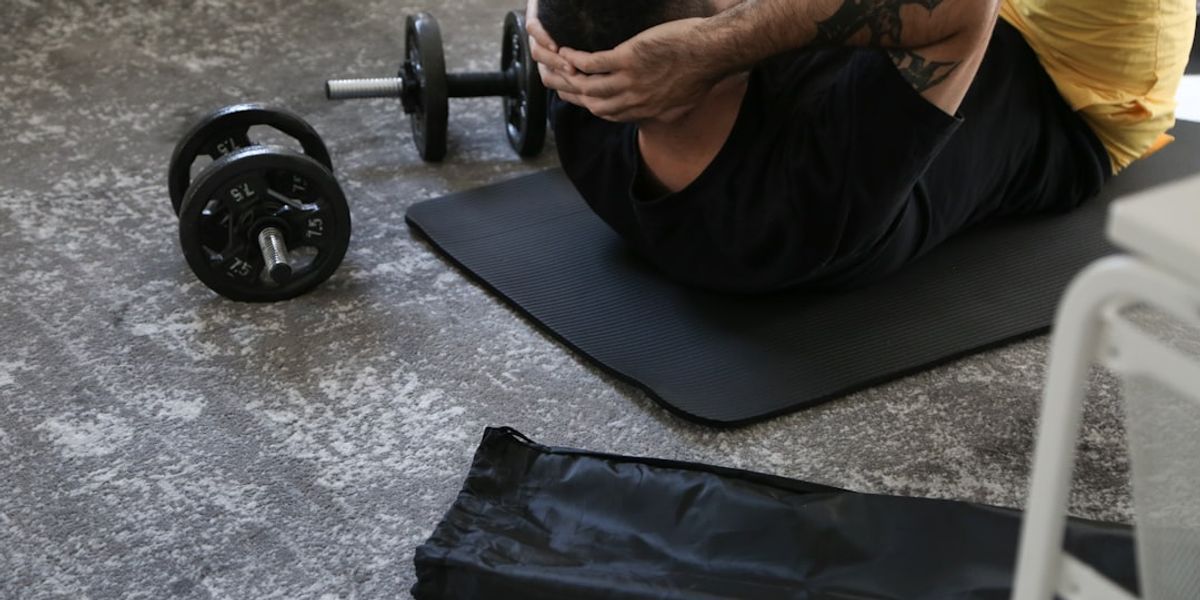
When you push your body to its limits during a workout, you're not just building muscle; you're also creating microscopic tears in your muscle fibers. Recovery is the crucial period where these fibers repair and grow stronger. But how much rest is truly enough? The answer isn't a one-size-fits-all number. It depends on a variety of factors, including the intensity of your training, your current fitness level, and the specific muscle groups you've targeted. Understanding these nuances is key to optimizing your performance and preventing overtraining.
The Importance of Rest Days
Rest days are not a sign of weakness; they are a fundamental component of any effective training program. Without adequate rest, your body doesn't have the opportunity to recover and adapt, which can lead to plateaus, injury, and burnout. Experts generally recommend incorporating 1 to 3 rest days per week into your fitness routine. This allows your muscles to repair, your nervous system to recover, and your energy levels to replenish. Think of rest days as an active part of your training, just as important as the workouts themselves.
Resting Between Workout Sessions (Days)
The duration of rest needed between full workout sessions is highly dependent on the demands placed on your muscles. A general guideline is to allow 24 to 48 hours of recovery for specific muscle groups before training them again. However, this can vary significantly:
- Small Muscle Groups: Muscles like the biceps, triceps, and calves typically require around 48 hours of recovery. These smaller muscles are less prone to systemic fatigue but still need time to repair after strenuous activity.
- Large Muscle Groups: Larger muscle groups such as the back, chest, and legs generally need more time to recover, often requiring 72 hours or more. These muscle groups are responsible for compound movements and are subjected to greater overall stress during a workout.
A common approach to structure your weekly training is a split routine. For instance, a 4-day split, like an upper/lower body split, naturally incorporates 3 rest days per week. This allows for targeted training while ensuring sufficient recovery. For those looking to optimize their training splits, understanding how often you should train each muscle group is paramount to avoid overtraining and maximize gains.
Factors Influencing Your Rest Needs
Several variables play a significant role in determining how much rest you need between workouts:
- Intensity of Training: The harder you push yourself, the longer your recovery period needs to be. High-intensity interval training (HIIT) or heavy weightlifting sessions will demand more recovery time than a light cardio session.
- Fitness Level: Beginners typically require more rest than experienced athletes. As your body adapts to training, it becomes more efficient at recovery. Advanced trainees may be able to handle higher training volumes and frequencies with less rest.
- Type of Exercise: Different types of exercise stress the body in different ways. Strength training, for example, causes more muscle damage than steady-state cardio, necessitating longer recovery periods for the affected muscles.
- Sleep Quality and Nutrition: These are often overlooked but are critical for recovery. Adequate sleep (7-9 hours per night) is when most muscle repair occurs. Proper nutrition, particularly sufficient protein intake, provides the building blocks for muscle repair and growth.
- Age and Overall Health: Recovery can also be influenced by age and any underlying health conditions. Older individuals or those with chronic health issues may need to prioritize longer rest periods.
Active Recovery: The Power of Movement on Rest Days
Rest days don't have to mean complete inactivity. Active recovery involves engaging in light, low-intensity activities that can actually aid in the recovery process. These activities can help improve blood flow, reduce muscle soreness, and promote flexibility without adding significant stress to your body. Examples of active recovery include:
- Light Walking: A gentle stroll can increase circulation and help clear metabolic waste products from your muscles.
- Yoga or Stretching: Gentle yoga poses or dedicated stretching sessions can improve range of motion and reduce muscle stiffness.
- Foam Rolling: Self-myofascial release techniques can help alleviate muscle tightness and soreness.
- Cycling at a Low Intensity: A leisurely bike ride can provide a cardiovascular boost without taxing your muscles.
Incorporating active recovery can be a strategic way to manage fatigue and prepare your body for your next intense workout. For those who want to meticulously track their progress, using a weightlifting tracker can help you monitor your recovery alongside your performance metrics.
Resting Between Sets (Within a Workout)
Beyond rest days, the time you spend resting between sets during a single workout is equally important and depends on your training goals:
- Muscle Growth (Hypertrophy): For those aiming to increase muscle size, rest periods of 1 to 2 minutes between sets are generally recommended. This allows for partial recovery of the ATP-PC system (the primary energy source for short, intense bursts of activity) while still maintaining metabolic stress conducive to hypertrophy.
- Maximum Strength and Power: If your goal is to lift heavier weights or generate more power, longer rest periods of 3 to 5 minutes are beneficial. This extended rest allows for more complete recovery of the phosphagen system, enabling you to perform at your maximum capacity on subsequent sets.
- Muscular Endurance: To improve your muscles' ability to sustain repeated contractions over time, keep your rest periods short, typically 30 to 60 seconds. This challenges your muscles' ability to clear metabolic byproducts and resist fatigue.
Understanding these rest periods can significantly impact your training outcomes. If you're unsure about your current training strategy, exploring resources on why you're not getting stronger and how to fix it can provide valuable insights.
Sample Weekly Training Schedules
To illustrate how rest days can be integrated, here are a few sample weekly training splits:
3-Day Split
This split is ideal for beginners or those with limited time.
- Monday: Full Body Workout
- Tuesday: Rest or Active Recovery
- Wednesday: Full Body Workout
- Thursday: Rest or Active Recovery
- Friday: Full Body Workout
- Saturday: Rest or Active Recovery
- Sunday: Rest
This schedule provides ample rest between full-body sessions, allowing for recovery and adaptation.
4-Day Split
A popular choice for intermediate trainees, often focusing on upper/lower body or push/pull splits.
- Monday: Upper Body
- Tuesday: Lower Body
- Wednesday: Rest or Active Recovery
- Thursday: Upper Body
- Friday: Lower Body
- Saturday: Rest or Active Recovery
- Sunday: Rest
This structure ensures that muscle groups get at least 48-72 hours of rest before being trained again.
5-Day Split
This split is more advanced and allows for greater specialization, often targeting individual muscle groups.
- Monday: Chest & Triceps
- Tuesday: Back & Biceps
- Wednesday: Legs
- Thursday: Rest or Active Recovery
- Friday: Shoulders & Abs
- Saturday: Rest or Active Recovery
- Sunday: Rest
With a 5-day split, you might train a specific muscle group once a week, ensuring it receives significant recovery time. However, for some goals, training muscles more frequently might be beneficial. Understanding the principles of full body vs split workouts can help you choose the best approach for your needs.
Frequently Asked Questions
How many rest days per week are optimal?
Generally, 1 to 3 rest days per week are recommended. The exact number depends on your training intensity, volume, fitness level, and recovery capacity. Listening to your body is crucial.
Should I do active recovery on rest days?
Yes, active recovery is often beneficial. Light activities like walking, stretching, or yoga can improve blood flow, reduce soreness, and aid in the repair process without adding significant stress.
How long should I rest between sets for muscle growth?
For muscle growth (hypertrophy), aim for rest periods of 1 to 2 minutes between sets. This duration allows for partial recovery while maintaining the metabolic stress needed for muscle building.
What happens if I don't rest enough?
Insufficient rest can lead to overtraining syndrome, characterized by decreased performance, persistent fatigue, increased risk of injury, mood disturbances, and hormonal imbalances.
Does sleep affect my workout recovery?
Absolutely. Sleep is a critical period for muscle repair and hormone regulation. Aim for 7-9 hours of quality sleep per night to maximize your recovery and gains.
How does nutrition impact rest time?
Proper nutrition, especially adequate protein intake, provides the building blocks for muscle repair and growth. Without sufficient nutrients, your body's ability to recover and adapt is significantly hampered.
Conclusion
Rest is not downtime; it's productive time. Whether you're resting between sets or taking a full rest day, these periods are essential for muscle repair, adaptation, and overall progress. By understanding the factors that influence your recovery needs and strategically incorporating rest into your training, you can optimize your performance, reduce your risk of injury, and achieve your fitness goals more effectively. Pay attention to your body's signals, adjust your rest periods accordingly, and remember that consistent, smart training includes adequate recovery.
With Gymdo, you can simplify and personalize your fitness journey. Our science-backed approach provides intelligent guidance tailored to your goals, helping you train smarter without the guesswork. Available for free on iOS, we combine data-driven insights with an intuitive experience to support users at every level of their fitness development, acting as your ultimate gym companion.

Written by
M.P
M.P. is an editor at Gymdo, where he writes about strength training, workout programming, and building sustainable fitness habits.
More to read

How to Feel Confident in the Gym as a Beginner
Feeling confident in the gym as a beginner is achievable with preparation, smart strategies, and a positive mindset. Learn how to plan workouts, use machines, focus on form, and overcome anxiety.

The Best Weekly Gym Schedule for Beginners
Discover the best 3-day gym schedule for beginners, focusing on full-body workouts, proper form, and recovery for sustainable strength gains. Learn key principles and how to progress.

The Biggest Fitness Misconceptions Explained
Uncover the truth behind common fitness myths! Learn why women don't get bulky from lifting, spot reduction is impossible, and 'no pain, no gain' is a dangerous myth. Discover the facts about sweat, training volume, and post-workout nutrition.